Advertisement
Mar-a-Lago Meets Pennsylvania Avenue: Inside Trump’s Controversial Ballroom Plans
Blog | November 2nd, 2025

The White House is getting its biggest makeover in over 70 years, and it comes with a side of demolition, gold accents, and a price tag that’ll make your eyes water. President Trump’s vision for a grand ballroom at 1600 Pennsylvania Avenue has sparked everything from architectural debates to ethics investigations.
Here’s what’s actually happening behind those construction barriers.
What’s Actually Being Built 🏛️
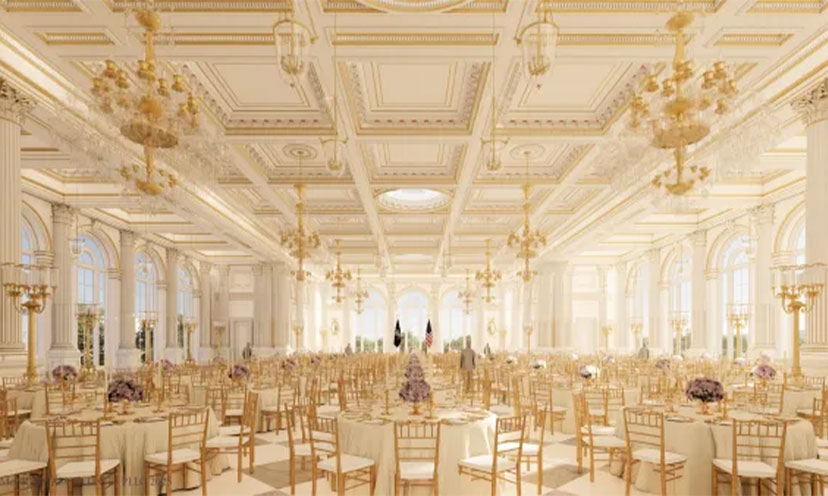
The Grand Vision
We’re talking about a 90,000-square-foot ballroom that could host up to 1,000 guests. To put that in perspective, that’s roughly the size of a standard big-box retail store, but with significantly more chandeliers. The project carries a $300 million price tag and represents the most significant structural change to the White House since President Truman’s complete interior renovation in the 1940s-1950s.
The administration says the ballroom will provide a proper venue for state dinners and major diplomatic events. Currently, the White House State Dining Room and East Room can only accommodate around 200 guests, which means large events often require temporary tents on the South Lawn.
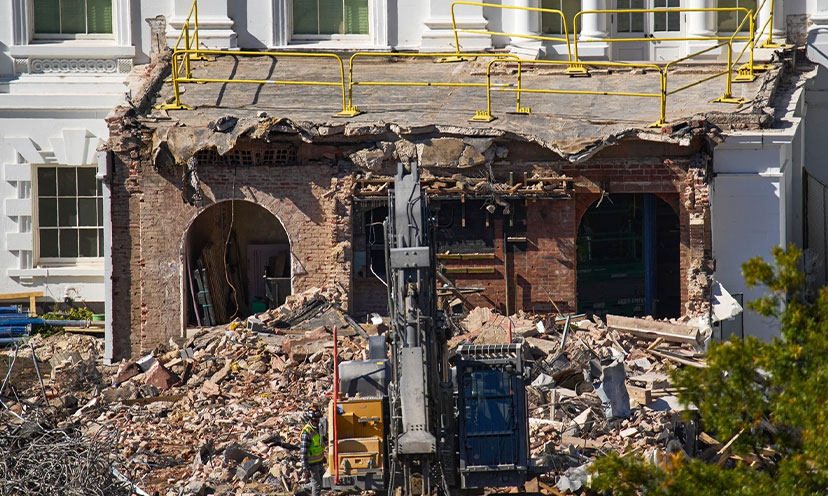
What’s Being Demolished
Here’s where things get spicy. Trump initially said the ballroom would be near but “not touching” the existing building, but then revealed the entire East Wing was being demolished. That 1942 structure, built during FDR’s presidency, housed the First Lady’s offices and was used for official ceremonies. The images of the East Wing reduced to rubble went viral faster than you can say “historic preservation.”

The Money Talk (And Why Everyone’s Side-Eyeing It) 💰
Who’s Paying?
The administration emphasizes repeatedly that this is privately funded. The donor list includes tech giants like Apple, Amazon, Google, Meta, and Microsoft, defense contractor Lockheed Martin, tobacco company Altria, and wealthy individuals like Blackstone CEO Stephen Schwarzman. Over $20 million is coming from YouTube’s settlement of Trump’s 2021 lawsuit over his account suspension.
But here’s where the skepticism kicks in. Ethics experts point out that many of these donors have significant business with the federal government or face regulatory decisions. Don Fox, former acting director of the U.S. Office of Government Ethics, noted the “potential coercive effect on people to donate,” adding that companies might feel pressure to contribute to protect their business interests. Translation? When the president wants something and you have contracts pending, saying no feels risky.
The Transparency Problem
The donations are being funneled through the Trust for the National Mall, a nonprofit that partners with the National Park Service. Here’s the thing about nonprofits: they’re generally not required to disclose donors or donation amounts. Senate Democrats have demanded a “complete accounting” of all donations, warning the opaque nature “reinforces concerns that President Trump is again selling presidential access.”
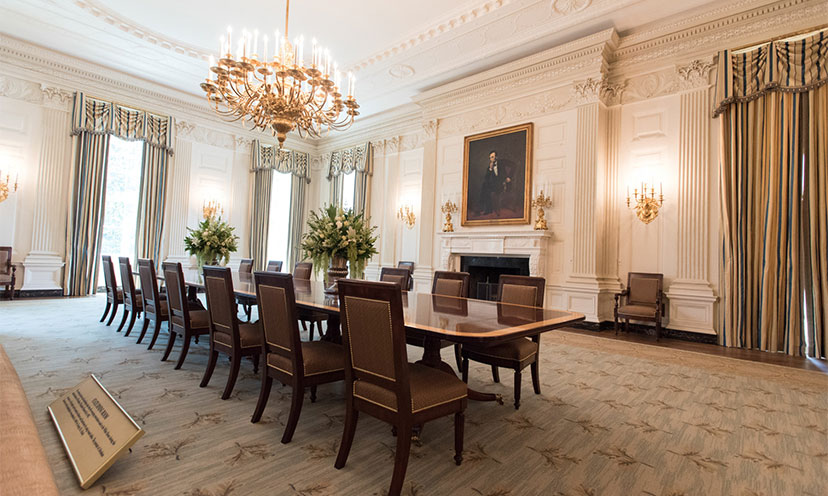
But Wait – Where Do They Host Events Now?
Good question! State dinners are traditionally held in the State Dining Room with entertainment in the East Room. When guest lists exceed capacity, the White House erects temporary tents on the South Lawn. Past administrations have used tents for events honoring leaders from Great Britain, France, and Nordic countries.
Are the tents embarrassing? The current administration thinks so. Critics of the tents point to mishaps like staff rushing to hold down tent ropes during a 1976 thunderstorm before Queen Elizabeth II’s state dinner. But others note that many elegant state dinners have been successfully held in these temporary structures.
Some former attendees have mixed feelings. One guest who attended an Obama-era tent dinner described it as “stunning” and noted “everything was impeccable.” So the tents work – they’re just not permanent or as grand as Trump envisions.
The Historical Preservation Drama
Here’s where architectural historians start clutching their pearls. Past White House changes since 1942 have been limited to interior modifications or minor exterior additions like tennis courts. This ballroom represents something entirely different in scope and scale.
Experts note that Truman went through proper approval channels for his renovation, while questions remain about whether Trump followed the same process. The National Trust for Historic Preservation and other groups have expressed concerns about demolishing a structure with over 80 years of history.
The administration’s defense? They point to a long history of presidential renovations, from Theodore Roosevelt’s West Wing construction in 1902 to Nixon’s bowling alley in 1973. But critics argue there’s a difference between adding a basketball court and tearing down a wing of the building.

What Happens Next
Construction is underway, and the White House promises completion before Trump leaves office. Whether you see this as a long-overdue upgrade to America’s capacity for diplomatic entertaining or as a concerning blend of private money and public property, one thing’s certain: future presidents will inherit this space.
And honestly? That’s what makes this whole thing so fascinating. Unlike a policy that can be reversed with a signature, this is literal concrete and steel. It’s a physical legacy that’ll outlast any administration, funded by corporations with a vested interest in staying in good graces, built on the footprint of a structure that served eight decades of First Families.